

Understanding Behavior Changes in Children
Learn what behavior changes may mean, common causes of challenging behaviors, when to seek support, and how parents can help children develop healthy emotional and behavioral skills.
Parents often notice behavior before they recognize emotions. A child who suddenly becomes angry, withdrawn, aggressive, defiant, or emotionally overwhelmed is often communicating something they don't yet have the words to express.
At Nurture Nest Play Therapy and Counseling Center, we help families understand the "why" behind challenging behaviors. Rather than focusing only on stopping unwanted behaviors, we work to identify the underlying emotions, developmental needs, and life experiences that may be contributing to them.
Every behavior is communication, and understanding the message is the first step toward lasting change.
💬 Behavior Is Communication
Children often express big emotions through their behavior before they have the words to explain what they're experiencing. Anger, defiance, withdrawal, or emotional outbursts are frequently signs that a child is overwhelmed, anxious, frustrated, scared, or struggling to cope. Looking beyond the behavior allows parents to better understand what their child may be trying to communicate.
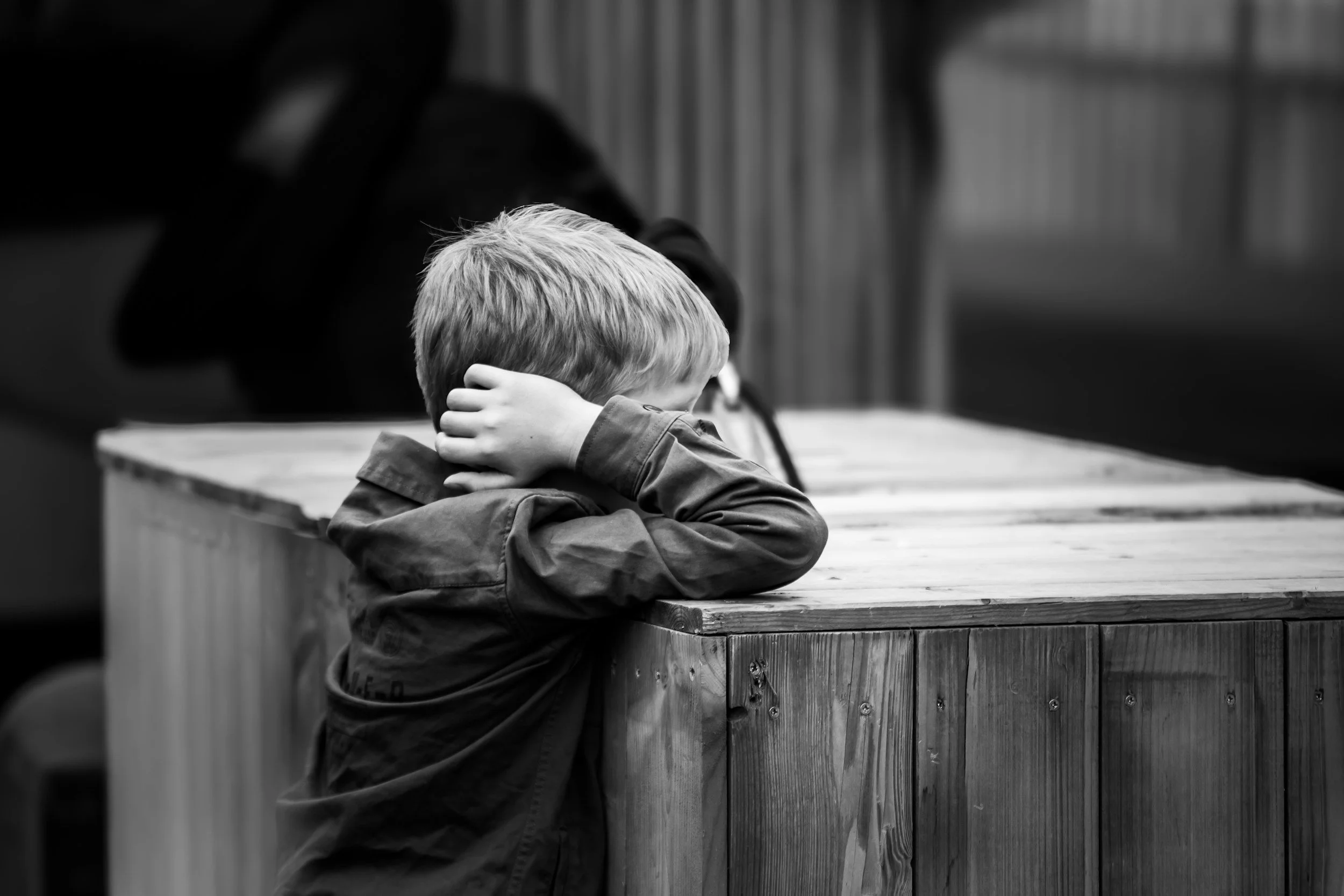
Why Do Behavior Changes Happen?
Behavior changes can occur for many reasons, including:
Emotional Factors
Anxiety
Depression
Grief
Trauma
Stress
Developmental Factors
ADHD
Autism
Executive Functioning
Learning Differences
Environmental Factors
Divorce
Moving
New School
Bullying
Family Conflict
Medical Factors
Sleep Problems
Illness
Medication Changes
Hormonal Changes
What Are Behavior Changes?
Behavior changes refer to noticeable differences in how a child thinks, feels, or acts. While occasional mood swings or difficult days are a normal part of development, ongoing or sudden changes in behavior may indicate that a child is experiencing stress, emotional challenges, developmental concerns, or significant life changes.
Children often express emotions through their behavior long before they can explain them with words. Understanding these behaviors with curiosity rather than judgment can help parents better support their child's emotional well-being.
Common Behavior Changes Parents Notice
💥 Aggression
Hitting
Kicking
Throwing objects
Biting
Yelling
Threatening others
Learning safe ways to express anger
Problem-solving
Impulse control
Emotional regulation
Communication
😡 Defiance
Refusing directions
Arguing
Ignoring requests
Power struggles
Testing limits
Easily Frustrated with others
Therapy May Help With:
Cooperation
Healthy independence
Communication
Parent-child relationships
Emotional awareness
😢 Emotional Outbursts
Meltdowns
Tantrums
Crying
Frustration
Difficulty calming
Coping skills
Emotional regulation
Identifying emotions
Calming strategies
Self-control
😔 Withdrawal
Isolation
Loss of interest
Avoiding friends
Quietness
Loss of motivation
Confidence
Social engagement
Depression
Emotional expression
Healthy relationships
🏫 School Behaviors
Refusing homework
Behavior reports
Attention difficulties
Peer conflict
Declining grades
Executive functioning
Organization
Attention
Social skills
Problem-solving
Motivation
😨 Anxiety-Based Behaviors
School refusal
Clinginess
Avoidance
Perfectionism
Constant reassurance
Executive functioning
Organization
Attention
Social skills
Problem-solving
Motivation
Understanding Behavior Changes at Every Stage of Development
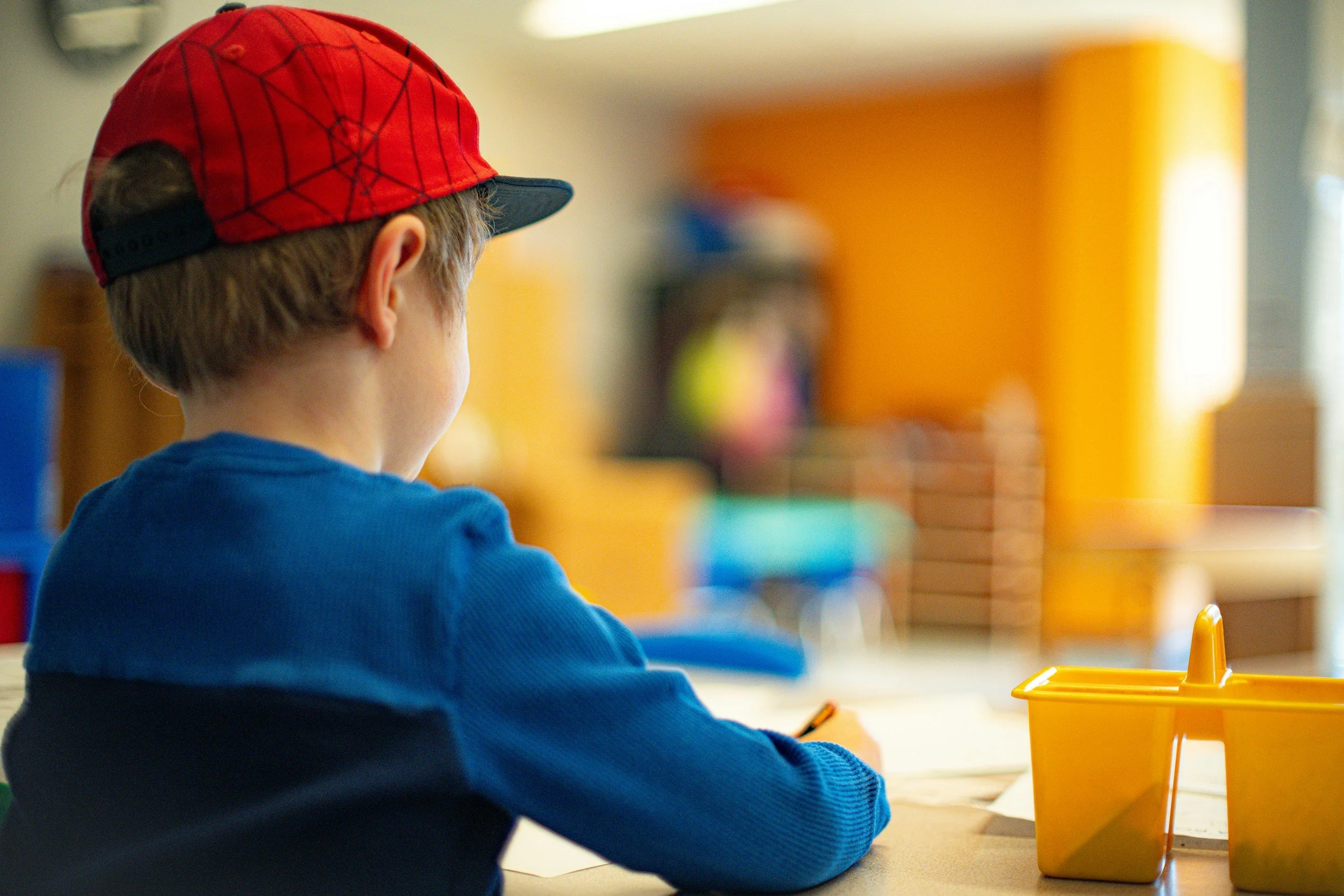
What Parents May Notice
Parents may notice their child becoming unusually irritable, having more frequent tantrums than expected for their age, struggling with transitions, or becoming increasingly dependent on caregivers. A child who previously enjoyed preschool or social activities may begin resisting participation or withdrawing from others. Sleep disruptions, increased fears, or sudden developmental regressions may also occur during periods of emotional stress.
When to Seek Support
While occasional tantrums, defiance, and emotional outbursts are a normal part of early childhood development, consider seeking support if these behaviors become frequent, intense, persist for several weeks, interfere with daily activities or relationships, or create safety concerns for your child or others.
Children's behaviors naturally change as they grow and develop. What may be considered age-appropriate for a preschooler could be cause for concern in an older child or teenager. Understanding typical developmental behaviors—as well as behaviors that may signal emotional distress—can help parents determine when additional support may be beneficial. While occasional behavioral challenges are a normal part of childhood, persistent, intense, or sudden changes deserve attention and compassion.
Behavior Changes in Preschoolers (Age 3-5)
Preschool-aged children often communicate their emotions through behavior because they are still developing the language and self-regulation skills needed to express their feelings.
Common Behavior Changes
Frequent tantrums or meltdowns
Increased aggression such as hitting, biting, or kicking
Difficulty separating from caregivers
Excessive clinginess
Defiance or refusing simple directions
Regression in potty training or sleep habits
Increased fearfulness or anxiety
Difficulty sharing or taking turns
Easily frustrated by changes in routine
Frequent crying or emotional outbursts
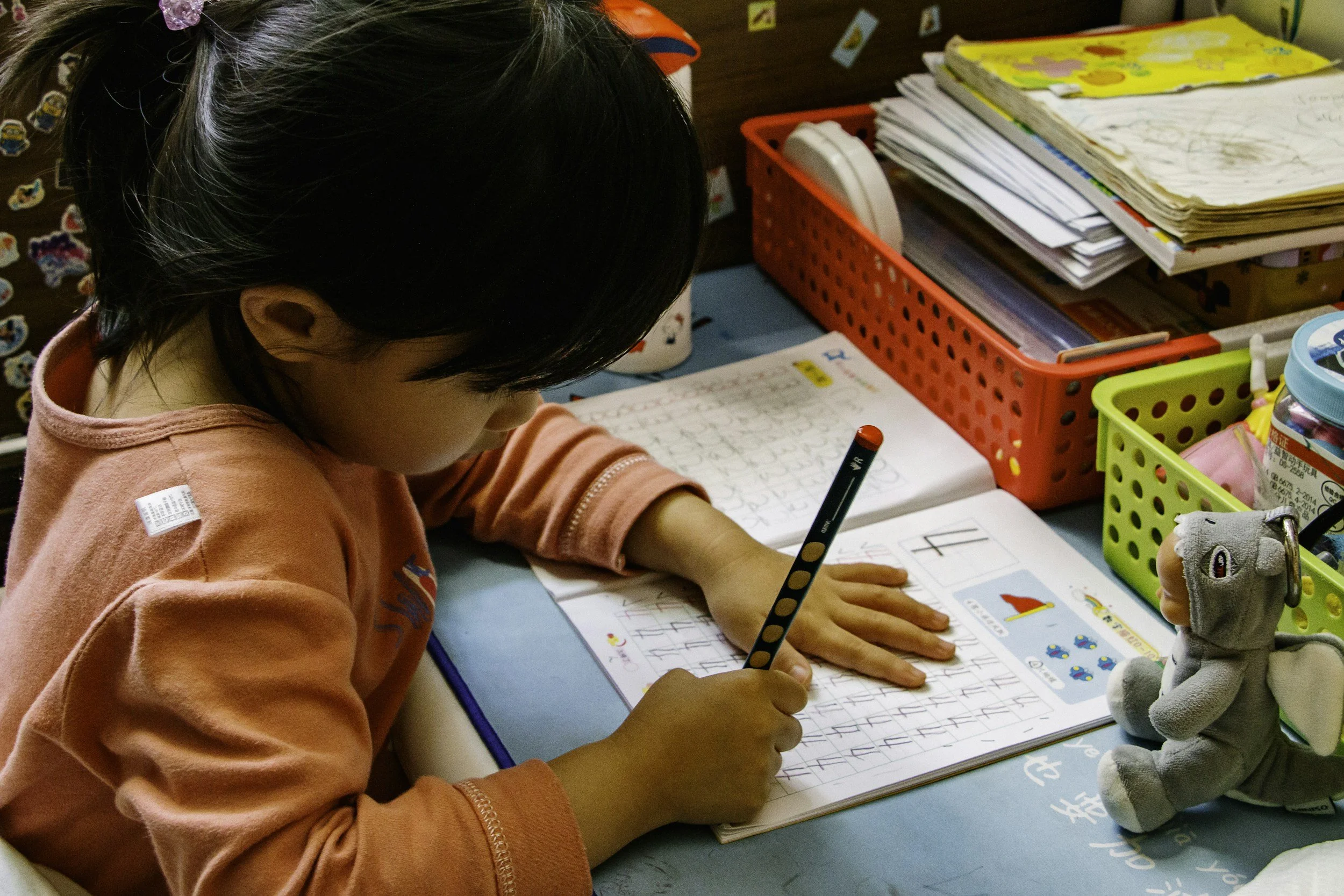
What Parents May Notice
Parents often notice behavior changes most noticeably after school when children are mentally and emotionally exhausted. A child who once enjoyed learning may become resistant to schoolwork or express frustration over academic expectations. Some children become increasingly emotional, while others withdraw or isolate themselves. Parents may also notice increased sibling conflict, reduced self-confidence, or heightened sensitivity to criticism.
When to Seek Support
While occasional tantrums, defiance, and emotional outbursts are a normal part of early childhood development, consider seeking support if these behaviors become frequent, intense, persist for several weeks, interfere with daily activities or relationships, or create safety concerns for your child or others.
Elementary-Aged Children (Ages 6–10)
As children begin school, behavioral changes often reflect growing academic, social, and emotional demands that they may not yet know how to manage.
Common Behavior Changes
Increased arguing or defiance
Emotional outbursts after school
Difficulty following directions
Declining school performance
Avoiding homework
Frequent complaints about school
Increased anxiety or perfectionism
Withdrawal from friends or activities
Lying or blaming others
Difficulty managing frustration
Increased impulsive behaviors
Frequent sibling conflict

What Parents May Notice
Parents may notice their child becoming more private, emotionally reactive, or increasingly influenced by peer relationships. Interests may change rapidly, communication may decrease, and family conflict may become more frequent. Some tweens become highly self-critical or anxious about fitting in, while others withdraw from previously enjoyed activities.
When to Seek Support
Seek support if your tween experiences persistent mood changes, increasing emotional outbursts, social withdrawal, school avoidance, declining self-esteem, or behavioral changes that begin interfering with their relationships, academic performance, or overall well-being.
🌤️ Tweens (Ages 11–13)
The tween years bring rapid emotional, physical, and social changes, making this stage especially vulnerable to mood changes, peer pressure, and emotional ups and downs.
Common Behavior Changes
Mood swings
Increased irritability
Arguing with parents
Social withdrawal
Increased sensitivity to peer relationships
Declining motivation
School avoidance
Increased emotional reactions
Risk-taking behaviors
Excessive screen time
Changes in sleep habits
Difficulty managing disappointment
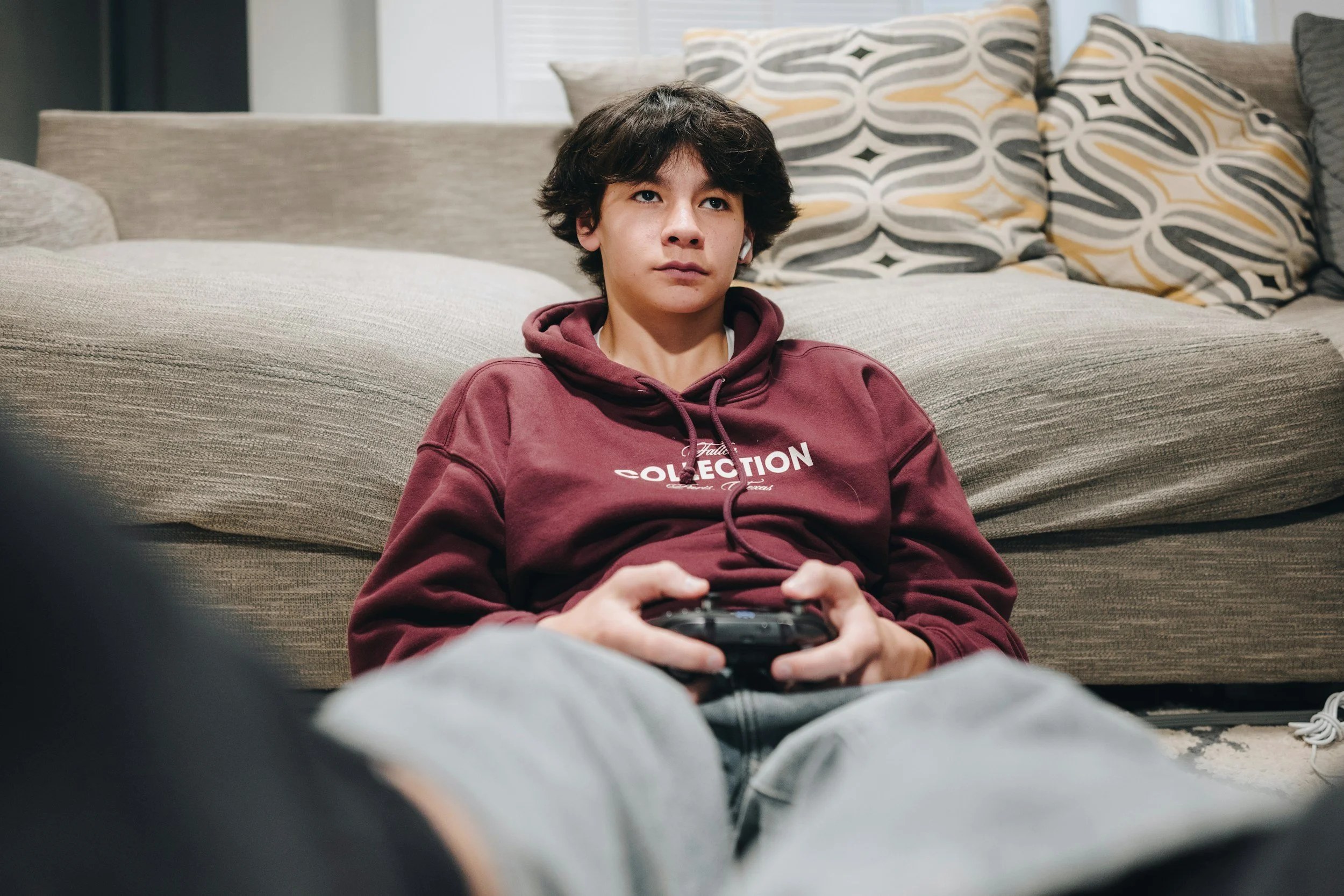
What Parents May Notice
Parents may notice their child becoming more private, emotionally reactive, or increasingly influenced by peer relationships. Interests may change rapidly, communication may decrease, and family conflict may become more frequent. Some tweens become highly self-critical or anxious about fitting in, while others withdraw from previously enjoyed activities.
When to Seek Support
Parents may notice their teenager spending significantly more time alone, communicating less with family, or becoming increasingly stressed by school, athletics, work, or relationships. Some teens become emotionally distant, while others display increased anger or impulsivity. Sudden changes in academic performance, appearance, eating habits, sleep patterns, or social circles may also signal that additional support is needed.
🎓 Teenagers (Ages 14–18)
Teenagers are developing independence while navigating increased academic pressure, identity development, relationships, and future planning, all of which can contribute to significant behavioral changes.
Common Behavior Changes
Increased irritability
Social withdrawal
Declining academic performance
Loss of motivation
Changes in friend groups
Increased conflict with parents
Sleep pattern changes
Risk-taking behaviors
Anxiety about the future
Depression or hopelessness
Excessive technology use
Substance experimentation
Loss of interest in favorite activities